
Transform Your Heart Health with Smart Nutrition
Learn how strategic dietary choices can naturally optimize your cholesterol levels and support long-term cardiovascular wellness through science-backed nutritional guidance.
The information on this site is for educational purposes only and does not constitute medical advice. Always consult a qualified healthcare professional before making health decisions.
Understanding Good vs Bad Cholesterol
Cholesterol management starts with understanding how different types affect your cardiovascular health. Learn the distinction and how nutrition plays a crucial role.
The Two Types of Cholesterol
LDL Cholesterol (Low-Density Lipoprotein)
Often called "bad cholesterol" because it can accumulate in your arterial walls. High LDL levels increase cardiovascular strain. Dietary choices focusing on reducing saturated fats and trans fats are essential for managing LDL levels effectively.
HDL Cholesterol (High-Density Lipoprotein)
Known as "good cholesterol" because it helps remove excess cholesterol from your bloodstream. Higher HDL levels support cardiovascular health. Specific nutrients and lifestyle factors through nutrition can boost HDL naturally.
Triglycerides
Another fat in your blood that deserves attention. High triglyceride levels often correlate with refined carbohydrates and added sugars. Strategic nutrition planning addresses triglyceride management through whole-food choices.
Key Foods That Lower Cholesterol Naturally
Discover the nutritional powerhouses that support healthy cholesterol levels through evidence-based dietary strategies.
Soluble Fiber Foods
Oats, barley, beans, lentils, apples, and citrus fruits contain soluble fiber that binds to cholesterol particles in your digestive system. Regular consumption of soluble fiber-rich foods can help reduce LDL cholesterol levels by interfering with cholesterol absorption during digestion.
- Reduces LDL cholesterol effectively
- Supports digestive health
- Promotes satiety and stable energy
Plant-Based Proteins
Legumes, nuts, seeds, and whole grains provide protein without the saturated fat found in some animal products. Substituting animal proteins with plant-based alternatives supports cardiovascular health while maintaining adequate protein intake for muscle and tissue function.
- Lower in saturated fats
- Rich in essential micronutrients
- Support sustainable nutrition
Omega-3 Rich Foods
Fatty fish like salmon and mackerel, flaxseeds, chia seeds, and walnuts contain omega-3 fatty acids. These polyunsaturated fats support cardiovascular wellness and may help improve the HDL to LDL ratio, contributing to overall heart health.
- Supports cardiovascular function
- Enhances HDL levels
- Reduces triglycerides
Antioxidant-Rich Vegetables & Fruits
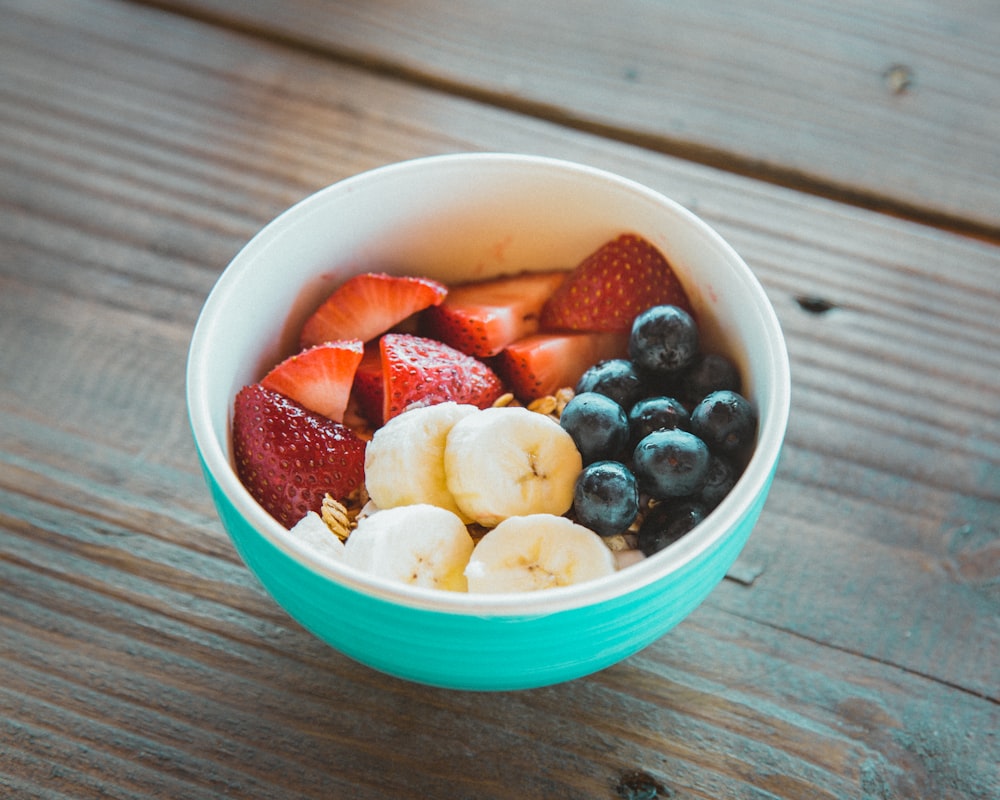
Berries, dark leafy greens, tomatoes, and colorful vegetables contain powerful antioxidants like polyphenols and carotenoids. These compounds protect your cardiovascular system from oxidative stress and inflammation, supporting optimal cholesterol metabolism.
- Reduces arterial oxidative stress
- Rich in vitamins and minerals
- Promotes overall wellness
Whole Grains & Complex Carbs
Whole wheat, brown rice, quinoa, and oats provide sustained energy without the blood sugar spikes associated with refined grains. Stable blood sugar supports balanced cholesterol metabolism and reduces the likelihood of triglyceride elevation.
- Supports stable energy levels
- Contains beneficial phytonutrients
- Maintains healthy triglycerides
Healthy Fats & Plant Oils
Extra virgin olive oil, avocados, and nuts contain monounsaturated fats that support cardiovascular health. These fats help maintain healthy cholesterol ratios while providing essential nutrients for cellular function and nutrient absorption.
- Improves cholesterol ratios
- Reduces inflammation
- Supports nutrient absorption
Your 4-Week Nutrition Journey
Follow this progressive plan to gradually integrate cholesterol-supporting foods into your daily routine and establish sustainable healthy eating habits.
Week 1: Foundation Building
- Introduce oatmeal at breakfast daily
- Add leafy greens to lunch and dinner
- Replace butter with olive oil
- Snack on nuts and seeds
Week 2: Protein Transition
- Incorporate legumes 3-4 times weekly
- Eat fatty fish twice per week
- Reduce red meat portion sizes
- Try plant-based milk alternatives
Week 3: Refinement
- Eliminate refined grains completely
- Add berries to breakfast daily
- Prepare meals with minimal sodium
- Include avocado in regular meals
Week 4: Mastery
- Maintain all previous changes consistently
- Experiment with new recipes
- Fine-tune portions and timing
- Plan for long-term sustainability
Foods to Limit for Optimal Results
Understanding which foods to minimize is equally important as knowing which to emphasize. Strategic reduction supports your cholesterol management goals.
Saturated Fats & Trans Fats
Found in processed foods, fried items, and some meat products, these fats directly increase LDL cholesterol. Focus on reading labels and choosing whole foods instead of processed alternatives.
Refined Carbohydrates & Sugars
White bread, pastries, sugary drinks, and desserts trigger blood sugar spikes that can elevate triglycerides. Substituting with whole grains and natural sweeteners supports stable metabolism and cholesterol balance.
Processed & Ultra-Processed Foods
Fast food, packaged snacks, and convenience meals typically contain hidden saturated fats, sodium, and additives. Preparing meals at home gives you complete control over ingredients and nutrition quality.
Full-Fat Dairy Products
Whole milk, full-fat cheese, and cream contain significant saturated fat. Transitioning to low-fat or plant-based alternatives reduces saturated fat intake while maintaining nutritional adequacy and calcium content.
High-Sodium Foods
Canned soups, deli meats, soy sauce, and salty snacks elevate sodium intake, which can indirectly affect cardiovascular function. Using fresh herbs and spices for flavoring supports lower sodium nutrition without sacrificing taste.
Excess Alcohol
While moderate consumption may have some benefits, excessive alcohol increases triglycerides and interferes with cholesterol metabolism. Limiting intake supports optimal cardiovascular nutrition and overall wellness.
Common Questions About Dietary Cholesterol
Find answers to frequently asked questions about cholesterol management through nutrition.
Most people notice improvements within 2-4 weeks of consistent dietary changes, though more significant shifts typically occur over 8-12 weeks. Individual responses vary based on genetics, baseline levels, and adherence to recommendations. Combining nutrition changes with regular physical activity amplifies results. Consulting with a nutrition professional can help establish realistic timelines based on your specific situation and help you develop a personalized approach to dietary optimization.
Current nutritional science emphasizes that saturated and trans fats have more significant effects on blood cholesterol levels than dietary cholesterol itself. Your body produces its own cholesterol, and dietary fat composition more directly influences these levels. However, foods high in dietary cholesterol often contain saturated fat too, so reducing overall consumption of these foods remains a prudent strategy. Focus on balancing fat quality rather than strict cholesterol restriction. This approach acknowledges both the direct impact of fat types and the broader nutritional context of food choices.
Absolutely, when dietary changes become lifestyle habits rather than temporary interventions. The key is finding sustainable food choices and preparation methods you genuinely enjoy. Gradual habit formation, meal planning strategies, and building a supportive environment all contribute to long-term success. Many people find that after several months of consistent practice, healthier choices feel natural and automatic. Periodically reviewing your progress, adjusting recipes, and exploring new cholesterol-supporting foods keeps the approach fresh and engaging over time.
Soluble fiber is particularly important because it binds to cholesterol particles in your digestive tract, reducing their absorption into your bloodstream. Oats, beans, lentils, apples, and barley are excellent sources. Research consistently shows that increasing soluble fiber intake can noticeably reduce LDL cholesterol levels. Most people benefit from gradually increasing fiber consumption to at least 30 grams daily.
Regular physical activity is one of the most powerful natural tools for improving cholesterol profiles. Exercise raises HDL (good) cholesterol while helping to lower LDL cholesterol and triglycerides. Aim for at least 150 minutes of moderate aerobic activity per week, such as brisk walking, swimming, or cycling. Additionally, resistance training helps maintain muscle mass and metabolic health, both important for long-term cholesterol control.
Most people begin to see measurable improvements in their cholesterol levels within 4-6 weeks of consistent dietary and lifestyle changes. However, more significant improvements typically manifest over 3-6 months. The timeline varies based on individual factors including genetics, current cholesterol levels, adherence to recommendations, and overall health status. Regular monitoring through blood tests helps track your progress and adjust strategies as needed.
Several supplements have shown promise in supporting cholesterol management, including plant sterols, red yeast rice, and omega-3 fatty acids. However, supplements work best alongside dietary improvements and exercise rather than as standalone solutions. Before starting any supplement regimen, consult with your healthcare provider to ensure compatibility with any medications and to verify quality and safety. Whole foods should remain your primary source of cholesterol-supporting nutrients.
What Our Readers Are Saying
"Following the dietary recommendations from this guide, I managed to reduce my LDL cholesterol by 35 points in just three months. The practical tips made it easy to implement lasting changes without feeling deprived."
James M.
Age 52, Chicago
"I appreciated the science-backed approach and the emphasis on sustainable lifestyle changes over quick fixes. My doctor was impressed with my progress, and I feel better than I have in years."
David R.
Age 45, Seattle
"The meal planning suggestions were incredibly helpful. I no longer feel anxious about my cholesterol levels, and my energy has improved significantly with the dietary changes."
Michael T.
Age 58, Denver
"This comprehensive guide gave me the confidence to take control of my health without medication. The combination of diet, exercise, and stress management advice truly works."
Robert K.
Age 55, Boston
Take Control of Your Cholesterol Today
Join thousands of men who have successfully improved their cholesterol levels through natural, sustainable lifestyle changes. Start your journey to better heart health right now.